Diseases Covered
This project explores five major lifestyle diseases and the therapeutic yoga asanas prescribed to manage and heal them naturally.
Obesity
Obesity is a chronic medical condition characterized by excessive accumulation of body fat, generally defined by a Body Mass Index (BMI) of 30 or above. It is not merely a cosmetic concern—it significantly raises the risk of heart disease, type 2 diabetes, joint problems, and certain cancers. Millions worldwide are affected by this growing epidemic.
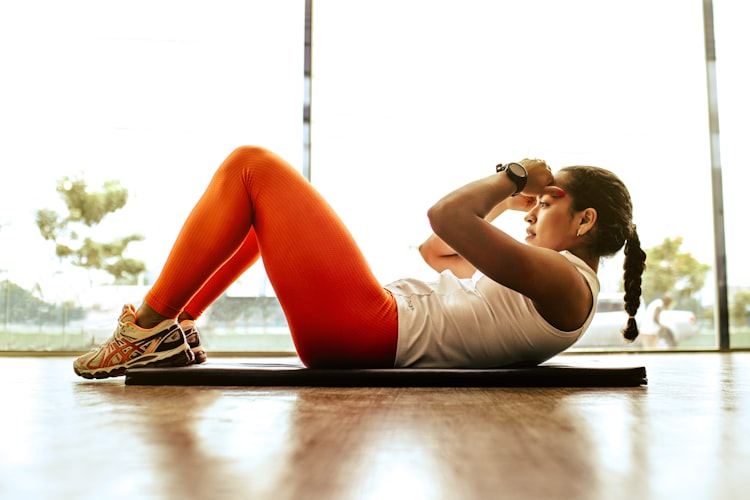

Stand erect with feet together and arms alongside the body. Inhale deeply and raise both arms overhead, interlocking fingers with palms turned upward. Simultaneously rise on tiptoes, stretching the entire body from heels to fingertips. Hold for 20–30 seconds, breathing normally. Feel the elongation through the spine, core, and limbs. Exhale slowly and return heels to the ground, lowering arms gently. Repeat 5–10 times. Maintain a steady gaze on a fixed point for balance. Keep the body firm yet relaxed throughout the practice.
- ✓Corrects posture and brings the spine into natural alignment
- ✓Strengthens thighs, knees, and ankle joints significantly
- ✓Boosts metabolism, aiding long-term weight management
- ✓Enhances body awareness, balance, and coordination
- ✓Stimulates the nervous and digestive systems beneficially

Stand with feet shoulder-width apart and arms extended sideways at shoulder level. Exhale and twist the upper body to the right, swinging the left arm to touch the right shoulder and wrapping the right arm around the back. Turn the neck to look as far right as possible. Hold for a few breaths, feeling the twist through the spine. Inhale and return to center. Repeat on the left side. Perform 5–10 rounds each side. Keep hips stable and facing forward. Let the breath guide the twist deeper without forcing.
- ✓Reduces waist fat and effectively tones the waistline
- ✓Strengthens spinal muscles and improves spinal flexibility
- ✓Massages abdominal organs, aiding better digestion
- ✓Relieves stiffness in shoulders, neck, and upper back
- ✓Stimulates liver and kidney function naturally
Diabetes
Diabetes mellitus is a chronic metabolic disorder marked by persistently elevated blood glucose levels due to insufficient insulin production or ineffective insulin utilization. Affecting over 500 million people globally, it leads to serious complications including kidney failure, nerve damage, vision loss, and cardiovascular disease.


Lie face down on the mat with legs together and forehead resting on the floor. Place palms flat beside the chest with elbows close to the body. Inhale slowly and lift the head, chest, and abdomen off the floor, keeping the navel on the mat. Use back muscles to raise the torso while palms provide light support. Look upward and hold for 20–30 seconds, breathing normally. Exhale and slowly lower back down. Rest with cheek on mat. Repeat 3–5 times, maintaining steady breath throughout the practice.
- ✓Stimulates pancreatic function, improving insulin secretion
- ✓Strengthens the spine and back muscles effectively
- ✓Opens the chest, improving overall lung and heart function
- ✓Massages abdominal organs, aiding glucose metabolism
- ✓Reduces stress hormones that contribute to high blood sugar

Begin in Vajrasana (kneeling position). Make fists with both hands by folding thumbs inside fingers and pressing fists against the navel region. Inhale deeply. While exhaling, bend forward slowly, pressing fists firmly against the abdomen just below the navel. Keep the back straight. Hold the breath outside for 15–20 seconds. Gaze forward with shoulders relaxed. Inhale while returning to the upright kneeling position. Rest briefly and repeat 3–5 times. This direct pressure stimulates the pancreas and surrounding abdominal organs effectively.
- ✓Directly stimulates the pancreas, improving insulin production
- ✓Aids digestion and provides relief from chronic constipation
- ✓Effectively reduces belly fat around the abdominal region
- ✓Strengthens the lower back and hip flexor muscles
- ✓Improves blood circulation throughout the abdominal cavity
Asthma
Asthma is a chronic respiratory disease involving inflammation and narrowing of the airways, causing recurring episodes of wheezing, breathlessness, chest tightness, and coughing. It affects people of all ages and can range from mild to life-threatening. Yoga-based breathing practices have shown remarkable results in managing asthma.
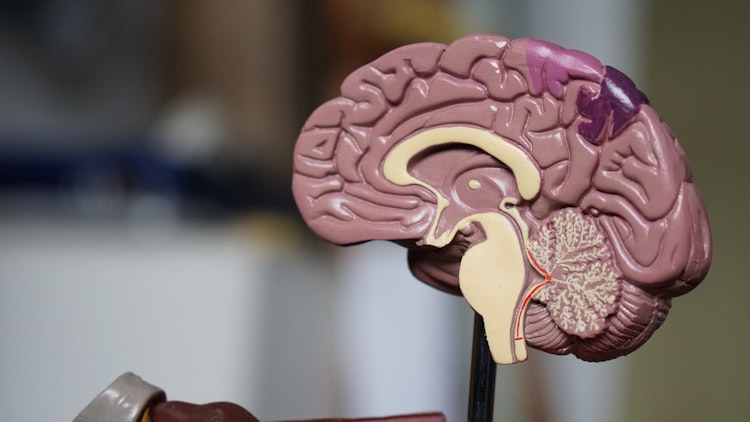

Stand in Tadasana with feet together and arms by the sides. Inhale deeply and raise both arms overhead, keeping them straight and parallel with palms facing each other. Elongate the entire spine upward while pressing feet firmly into the ground. Hold for 20–30 seconds, breathing deeply and rhythmically. Feel the chest expand and ribcage open with each breath. Exhale and slowly lower the arms back. Repeat 5–8 times. Variations include bending slightly sideways to stretch the lateral chest muscles. Maintain a steady gaze and calm breath throughout.
- ✓Expands the chest cavity and significantly increases lung capacity
- ✓Strengthens respiratory muscles for deeper, easier breathing
- ✓Improves oxygen intake, reducing frequency of asthma attacks
- ✓Stretches intercostal muscles between the ribs
- ✓Promotes mental calm, reducing stress-triggered asthma episodes

Sit comfortably in Sukhasana or Padmasana with spine erect and hands resting on knees in Gyan Mudra. Close eyes and relax. Take a deep inhalation. Now perform rapid, forceful exhalations through the nose, pulling the abdomen sharply inward with each exhale. Inhalation happens passively and automatically. Perform 20–30 pumping exhalations as one round. After each round, inhale deeply, hold briefly, then exhale slowly. Rest and repeat 3–5 rounds. Begin slowly at 60 strokes per minute. Focus on the exhale being active and powerful throughout.
- ✓Clears mucus from respiratory passages, providing asthma relief
- ✓Strengthens the diaphragm and core abdominal muscles
- ✓Detoxifies the lungs and markedly improves oxygen supply
- ✓Boosts metabolism and supports healthy, sustained weight loss
- ✓Calms the mind and significantly reduces anxiety and stress
Hypertension
Hypertension (high blood pressure) is a chronic condition where the force of blood against artery walls is persistently elevated. Often called the "silent killer," it typically develops over years without noticeable symptoms, yet substantially increases the risk of heart attack, stroke, and kidney failure.
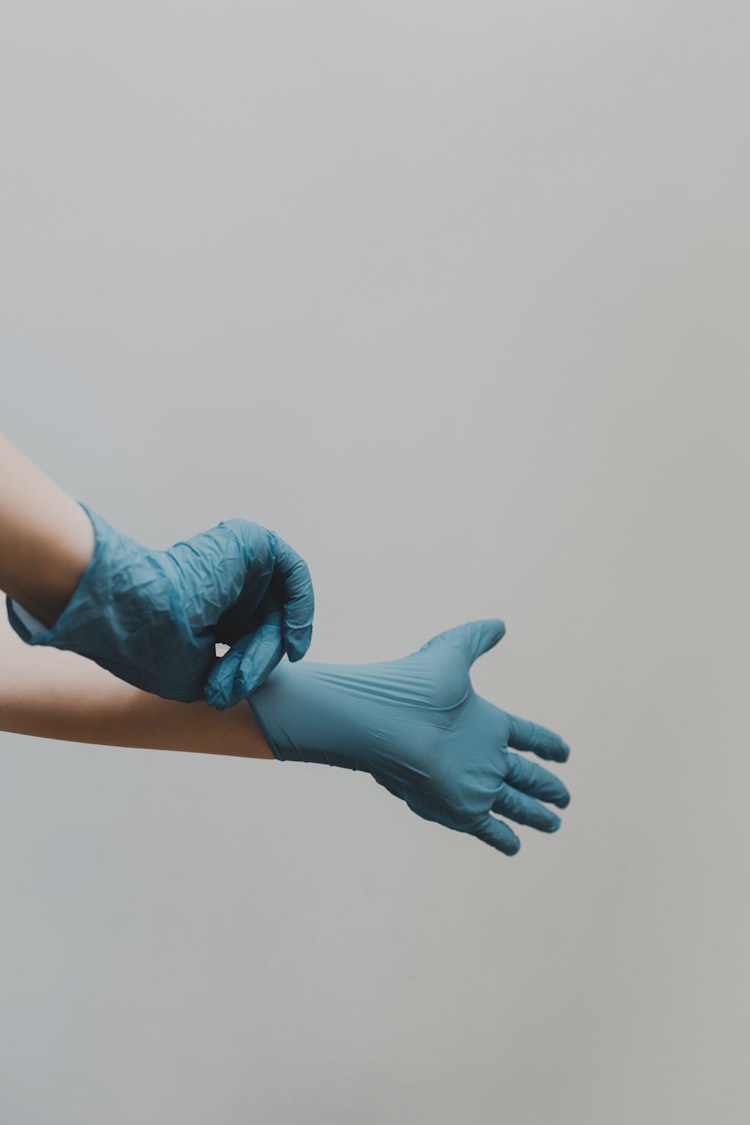

Lie flat on the back with legs straight and arms alongside the body, palms facing downward. Relax the entire body. Inhale slowly and raise both legs together to a 45-degree angle, keeping knees straight and toes pointed. Hold for 20–30 seconds while breathing normally. For deeper practice, raise to 90 degrees. Maintain steady breath and keep the lower back pressed against the mat. Exhale slowly and lower legs back to the floor without jerking. Repeat 3–5 times with brief rest between rounds. Beginners may start with one leg at a time.
- ✓Strengthens abdominal and lower back muscles effectively
- ✓Improves blood circulation, helping to regulate blood pressure
- ✓Stimulates digestive organs and provides constipation relief
- ✓Tones leg muscles and hip flexors for better stability
- ✓Reduces stress and anxiety, promoting deep physical relaxation

Lie flat on the back on the mat, legs slightly apart and arms resting alongside the body with palms facing upward. Close eyes gently. Consciously relax every part of the body from toes to head—feet, calves, thighs, abdomen, chest, arms, neck, and face. Breathe naturally and slowly. Mentally scan the body, releasing tension with each exhale. Remain completely still for 10–20 minutes. Allow thoughts to pass without engagement. When ready, wiggle fingers and toes, take a deep breath, roll to one side, and sit up slowly.
- ✓Dramatically reduces blood pressure through deep, sustained relaxation
- ✓Calms the autonomic nervous system and lowers cortisol levels
- ✓Relieves anxiety, chronic stress, and accumulated mental fatigue
- ✓Significantly improves sleep quality and combats insomnia
- ✓Restores vital energy and promotes complete holistic well-being
Back Pain & Arthritis
Back pain involves discomfort along the spine due to muscle strain, disc herniation, or structural deformities. Arthritis is the inflammation of joints causing pain, stiffness, and severely reduced mobility. Together, they are the leading causes of disability worldwide, yet regular yoga practice has shown significant improvement.
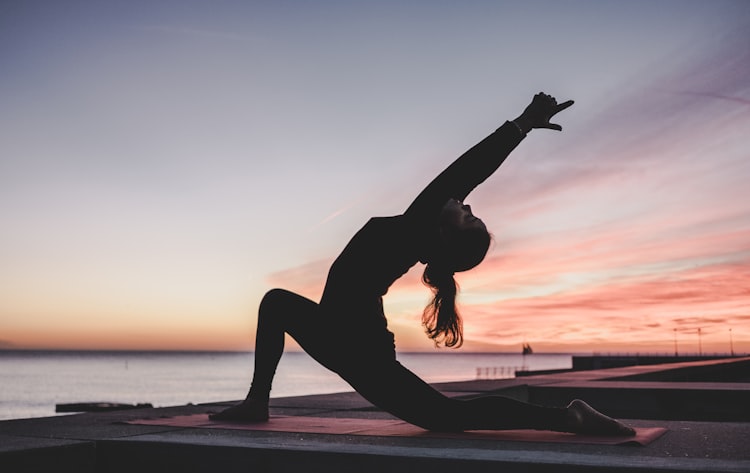

Sit on the mat with legs outstretched. Bend both knees and bring the soles of the feet together, drawing heels close to the groin. Interlock fingers and hold the feet firmly. Sit tall with spine erect and shoulders relaxed. Gently press knees toward the floor or butterfly-flap knees up and down. Hold the static position for 30–60 seconds, breathing deeply. To deepen the stretch, lean forward slightly from the hips while maintaining a straight back. Return to start and repeat. This effectively opens the hips and inner thighs gently.
- ✓Relieves stiffness in hips, knees, and tight inner thigh muscles
- ✓Strengthens inner thigh and groin muscles over regular practice
- ✓Improves joint flexibility and reduces arthritis-related discomfort
- ✓Stimulates abdominal and reproductive organs beneficially
- ✓Calms the mind and helps relieve symptoms of mild depression

Stand in Tadasana with feet hip-width apart. Place palms on the lower back with fingers pointing downward for support. Inhale deeply and gently arch the upper spine backward, pushing hips slightly forward. Let the head drop back if comfortable, or keep the gaze upward. Stretch the chest and front of the body open. Hold for 15–30 seconds, breathing deeply. Feel the stretch through the spine and chest. Exhale and slowly return to the upright standing position using hands for support. Repeat 3–5 times. The bend should originate from the thoracic spine, not the lower back.
- ✓Strengthens and stretches the entire spinal column thoroughly
- ✓Relieves back pain and significantly reduces chronic spinal stiffness
- ✓Opens the chest cavity, improving lung capacity and breathing
- ✓Tones abdominal organs and improves overall digestive function
- ✓Reduces fatigue and markedly improves standing posture
Game Chart
Physical education extends beyond yoga. Team sports develop fitness, coordination, strategic thinking, and the spirit of teamwork — essential pillars of holistic health.


Made By